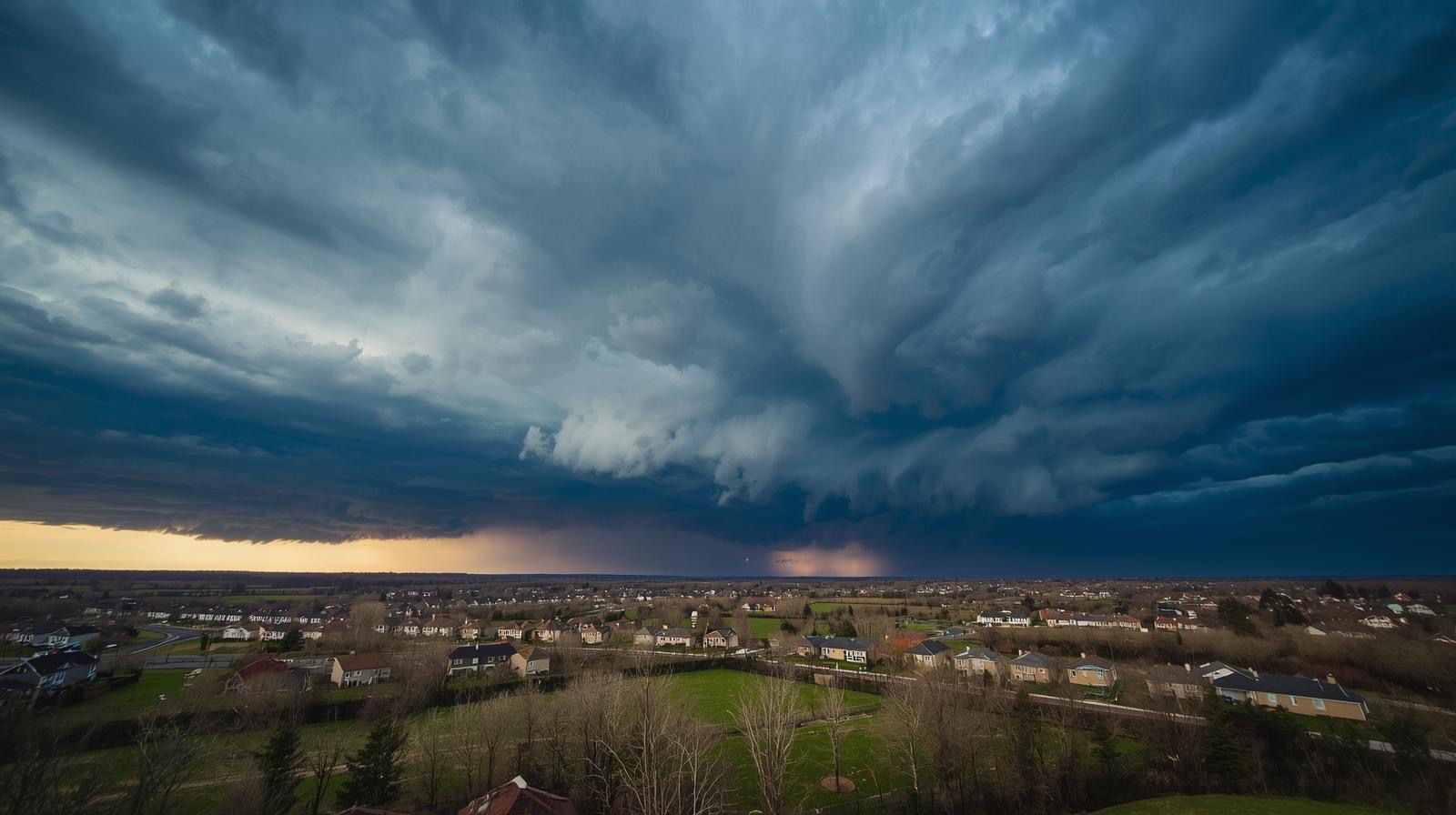
Learn why siding damage often goes unnoticed during winter and discover tips to inspect and protect your home from costly repairs come spring.
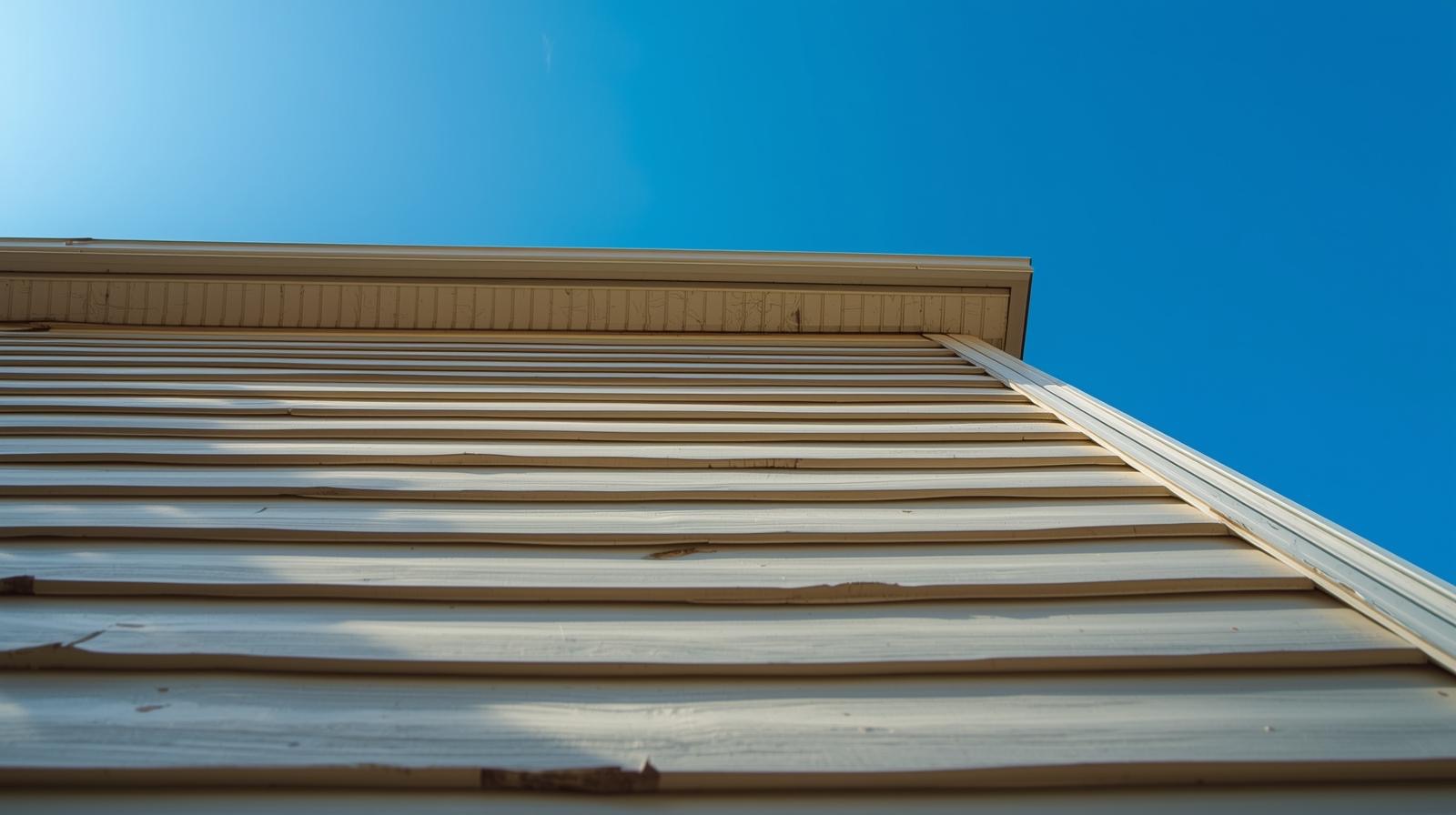
If you’ve lived in Northeast Ohio for any length of time, you know our winters are no joke. Heavy snow, freezing rain, strong winds, and wild temperature swings are all just part of life here. We prepare our homes for the cold season each year, but there’s one area many homeowners often overlook—your home’s siding.
Siding is the skin of your house. It protects against water, wind, pests, and extreme temperatures. When siding is damaged, water, cold air, and even critters can find their way into your home. This leads to higher energy bills, mold, and sometimes expensive repairs.
But here’s something we see often at M&T Roofing and Restoration: Many homeowners don’t realize their siding has been damaged by winter until spring arrives. Why do so many siding problems go unnoticed during the winter? And what can you do to protect your home?
In this post, we’ll explain why siding damage is often missed until spring, share expert tips to spot and prevent issues, and help you keep your home safe and looking good—no matter what Northeast Ohio’s weather throws at you.
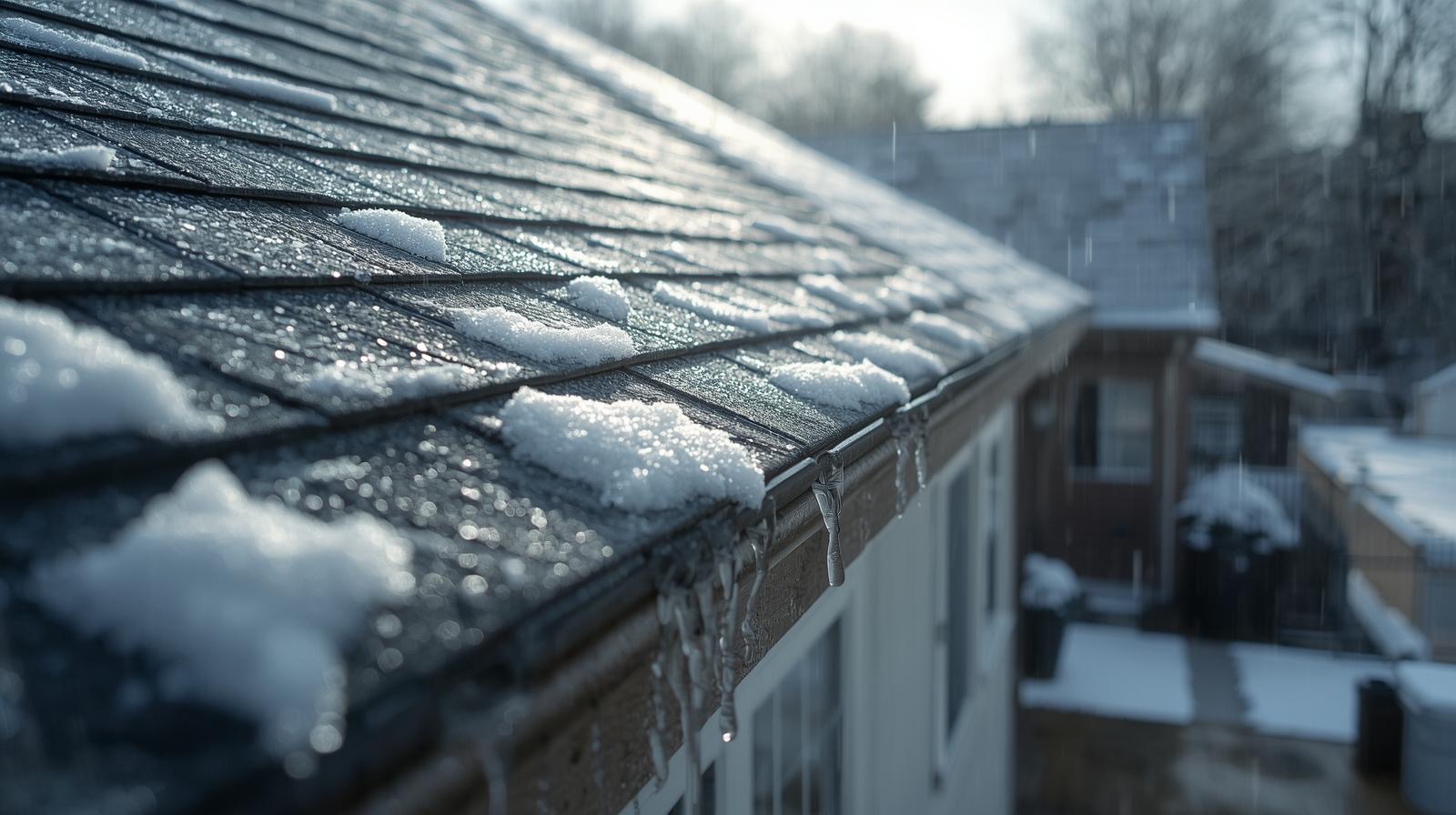
Between November and March, siding takes quite a beating in Northeast Ohio. One week it’s snowing, the next week it’s raining and windy, and sometimes the sun comes out just long enough to melt everything and refreeze it overnight.
All this wild weather can cause real trouble for your siding:
The big problem? All these issues are often hidden under layers of snow, ice, or even just the dirt and grime winter brings. If the damage occurs in December or January, it usually stays “out of sight, out of mind” until warmer weather melts everything away.
As a result, it’s easy to miss:
We often see homeowners discover these problems only after they’ve been getting steadily worse all winter. By spring, what started as a small problem can turn into a much bigger, costlier one.
Let’s be honest—winter is busy! The hustle of the holidays, school routines, and work changes can make it tough to notice subtle changes on the outside of your home. Add to that the shorter days, and you may rarely see your siding in daylight except on weekends.
These factors contribute to missing signs of siding damage:
It’s easy to walk right past a small crack, discoloration, or loose siding when your mind is on other things.
What can you do? Try to schedule a quick walk-around of your home every couple of weeks, especially after big storms or heavy winds. Look at areas around doors, windows, and corners where damage is most likely to start. Even a quick flashlight check can help you spot problems before they grow bigger.
Not all siding damage stands out right away. Some problems develop quietly behind the scenes. Even if you get up close, you might not see everything.
Here are a few types of siding problems we see most often in our Northeast Ohio roof inspections and storm damage repair calls:
The takeaway: Don’t assume that if you can’t see a problem, there isn’t one. If your energy bill goes up suddenly, you hear scratching sounds, or you see condensation inside your windows, there might be a siding problem—hidden but dangerous.
Your siding doesn’t work alone—gutters and downspouts play a huge role in protecting your home’s exterior. If these systems get clogged or damaged by ice, snow, or debris, problems occur fast.
Gutter problems are easy to miss during winter because systems are usually full of ice or buried under snow. By the time problems appear in spring, you may already have water damage in your siding or basement.
To prevent issues, try to clear leaves from gutters in late fall. After major storms, gently clear away heavy uncompressed snow piled next to your house. And keep an eye on your downspouts, making sure water is flowing away from your home when snow starts to melt.
Catching siding issues early makes a world of difference. Here’s why:
We recommend a professional roof and siding inspection at least once a year, ideally before and after the winter season. M&T Roofing and Restoration offers free inspections—so there’s no reason not to get a professional set of eyes on your home.
Here are some quick actions every Northeast Ohio homeowner can take:
Don’t wait until a small siding problem becomes a big, expensive headache. Northeast Ohio weather is tough on homes—but you don’t have to face it alone.
M&T Roofing and Restoration is a trusted local expert in roof inspection, storm damage repair, roof replacement, and siding restoration. Our team knows what to look for—often spotting problems homeowners miss until it’s too late.
Let us give your home’s exterior a thorough check-up this spring. Whether you need minor repairs or a full replacement, we’ll explain your options clearly and help you protect your biggest investment.
Schedule your free inspection or estimate with M&T Roofing and Restoration today. You’ll get peace of mind—and your home will be ready for anything Northeast Ohio’s wild weather brings next!