Prepare your Northeast Ohio home for spring storms with essential tips on roof and siding inspections, gutter maintenance, and tree trimming for added protection.

Living in Northeast Ohio, we know that spring is a season of new beginnings—but also of unpredictable weather. One day can be bright and sunny, while the next brings heavy rain, high winds, or even hail. These spring storms arrive quickly and can cause serious damage to your home if you are not prepared.
At M&T Roofing and Restoration, we have seen firsthand how fast storms can lead to missing shingles, leaks, and damaged siding. The good news is, there are simple steps you can take right now to protect your home. Preparing your roof and siding for spring storms is not just about avoiding costly repairs—it’s about giving you peace of mind.
Whether your home was built last year or fifty years ago, these tips are for you. In this guide, we’ll share the best ways to get your Northeast Ohio roof and siding ready for whatever the weather brings.
Spring is the perfect time to take a close look at your roof and siding. Winter ice, snow, and freezing temperatures can leave behind hidden problems that often go unnoticed until a storm makes them worse. A professional roof inspection is the first and most important step.
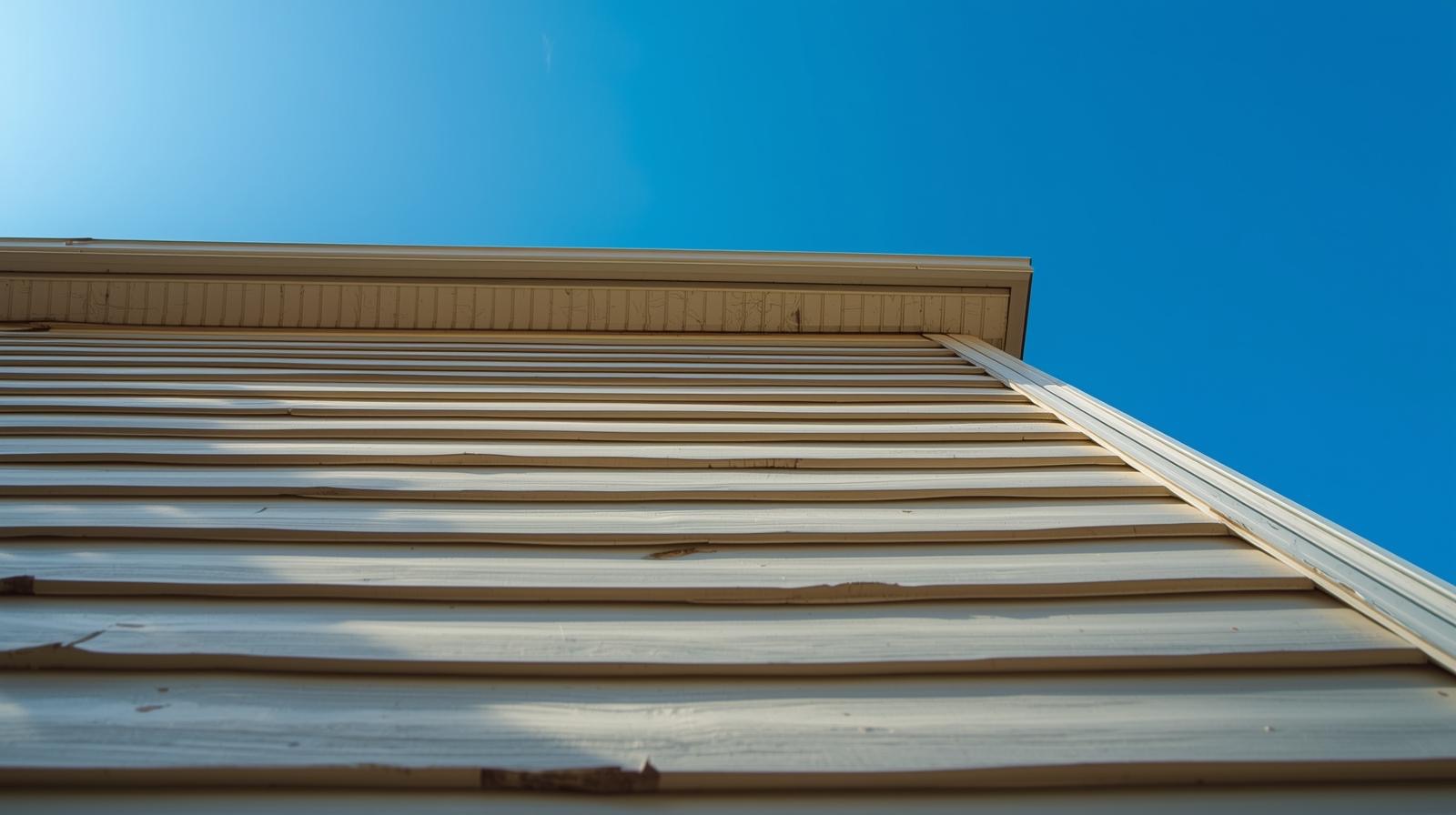
An experienced contractor like M&T Roofing and Restoration can spot issues that are easy to miss. We look for loose or missing shingles, flashing that has pulled away, soft spots in the roof deck, and even clogged gutters. For siding, we check for cracks, warping, or gaps where water can seep in.
A detailed inspection helps you catch small problems before they become big ones. It also documents the condition of your home, which can be valuable if you need to file an insurance claim after a storm.
Tip: Don’t just look from the ground. Many roof and siding issues are only visible up close. If you choose to check things out yourself, always use safe ladder practices or, better yet, call a pro.
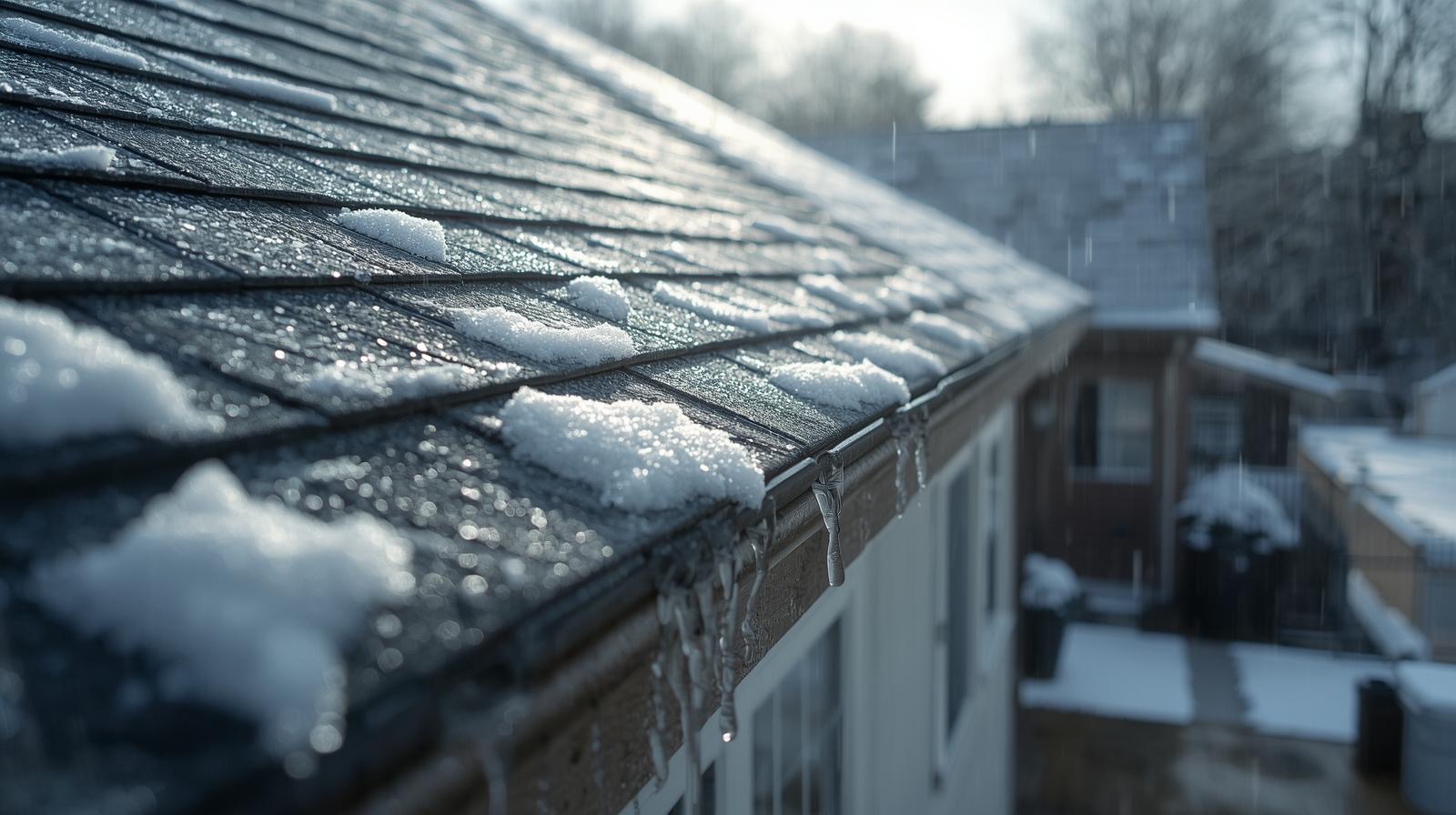
Your gutters play a vital role in protecting your roof, siding, and foundation from water damage. When spring storms hit, gutters help carry rainwater away from your home. But if your gutters or downspouts are clogged with leaves, sticks, or shingle grit left over from winter, they can overflow quickly.
Overflowing gutters can lead to water backing up onto your roof or running down your siding. This can cause rotten trim, stains, mold, and sometimes even damage inside your home.
To get ready for spring:
Tip: Installing gutter guards can cut down on future clogs and make spring clean-up much easier.
Strong spring winds and pounding rain will quickly find weak spots in your roof. That’s why it’s important to check your asphalt shingles and metal flashing before storm season gets underway.
What to Look For:
If you find any of these problems, arrange for repairs right away. Even a small issue can let water into your attic or walls during a heavy spring downpour.
Tip: If your roof is more than 20 years old or has had repeated repairs, consider a roof replacement. This can be a cost-effective solution to avoid ongoing storm damage repair each season.
Your siding is your home’s first line of defense against wind and rain. All types—from vinyl to wood and fiber-cement—can be damaged by harsh winter weather and spring storms. Preparing your siding helps keep moisture out and protects your insulation and framing.
Key Steps:
Repair or replace any trouble spots you find, especially near the bottom of your home where splashback from rain is common.
Tip: Consider painting or sealing wood siding every few years to keep moisture out and maintain its appearance.
One of the most common causes of roof and siding damage during spring storms in Northeast Ohio is falling branches. Even healthy trees can drop limbs in high winds, while older or untrimmed trees pose an even greater risk.
Carefully inspect any trees that hang over your roof or come close to your siding. Trim back branches that could break off during a storm or rub against your home in high winds. Not only does this reduce the chance of storm damage, but it also helps keep your gutters clear and prevents moss and algae from growing on shaded roof sections.
If you’re not comfortable handling large branches or if a tree is especially close to the house, hire a certified arborist for safe removal.
Before the storms hit, it’s a smart idea to look over your homeowner’s insurance policy. Make sure you understand what is (and isn’t) covered when it comes to storm damage repair, roof leaks, and siding replacement. Some policies have limits or specific requirements for roof damage claims.
Take photos of your roof and siding now, while they’re in good shape. This makes it easier to provide proof of pre-storm condition if you ever have to file a claim.
Being prepared can save you time and headaches if your home is ever damaged by spring weather.
Here’s a short summary of what to do:
We recommend a full roof inspection at least once a year, ideally in the spring or fall. Roofs should also be inspected after severe storms or if you notice leaks or missing shingles.
Shingles that curl, crack, or lose a lot of granules are warning signs. If your roof is over 20 years old or has frequent repairs, it may be time for a replacement.
You can do a basic visual inspection from the ground, but for a complete check, a professional should get on the roof. This is safer and more thorough.
You work hard to take care of your home. Let M&T Roofing and Restoration help you get ready for spring storm season. Our trusted Northeast Ohio roofing experts offer free, no-pressure inspections and honest advice.
We know what local homes face each year, from Nor’easter winds to heavy spring rains. Whether you need storm damage repair, a few new shingles, or a complete roof replacement, our team is here for you.
Don’t wait until after the next storm. Call M&T Roofing and Restoration today or request your inspection online. Protect your roof, your siding, and your peace of mind before the next season rolls in.