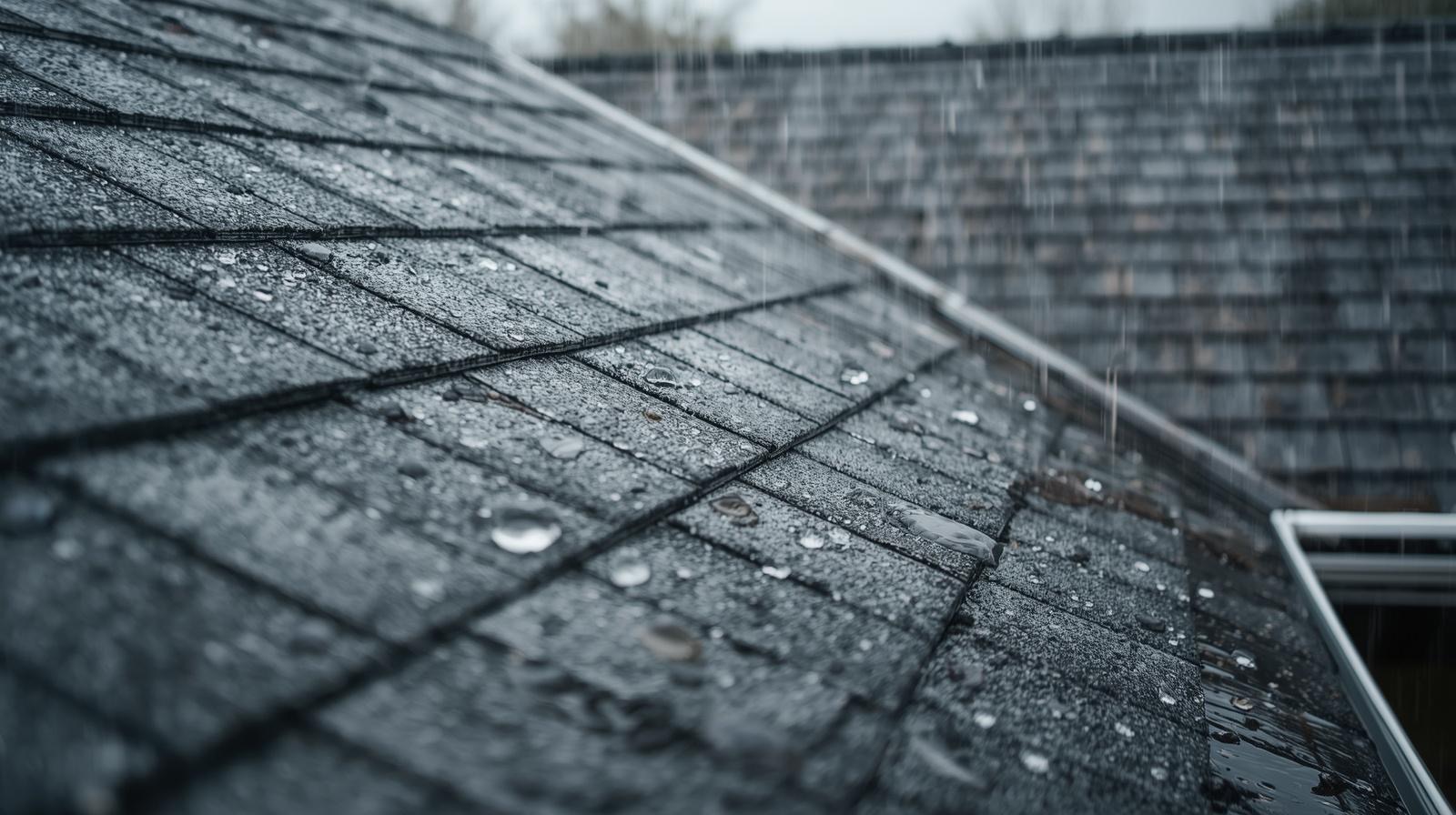
Learn how to protect your roof from freeze-thaw damage this winter with practical tips for inspections and maintenance to prevent costly repairs.
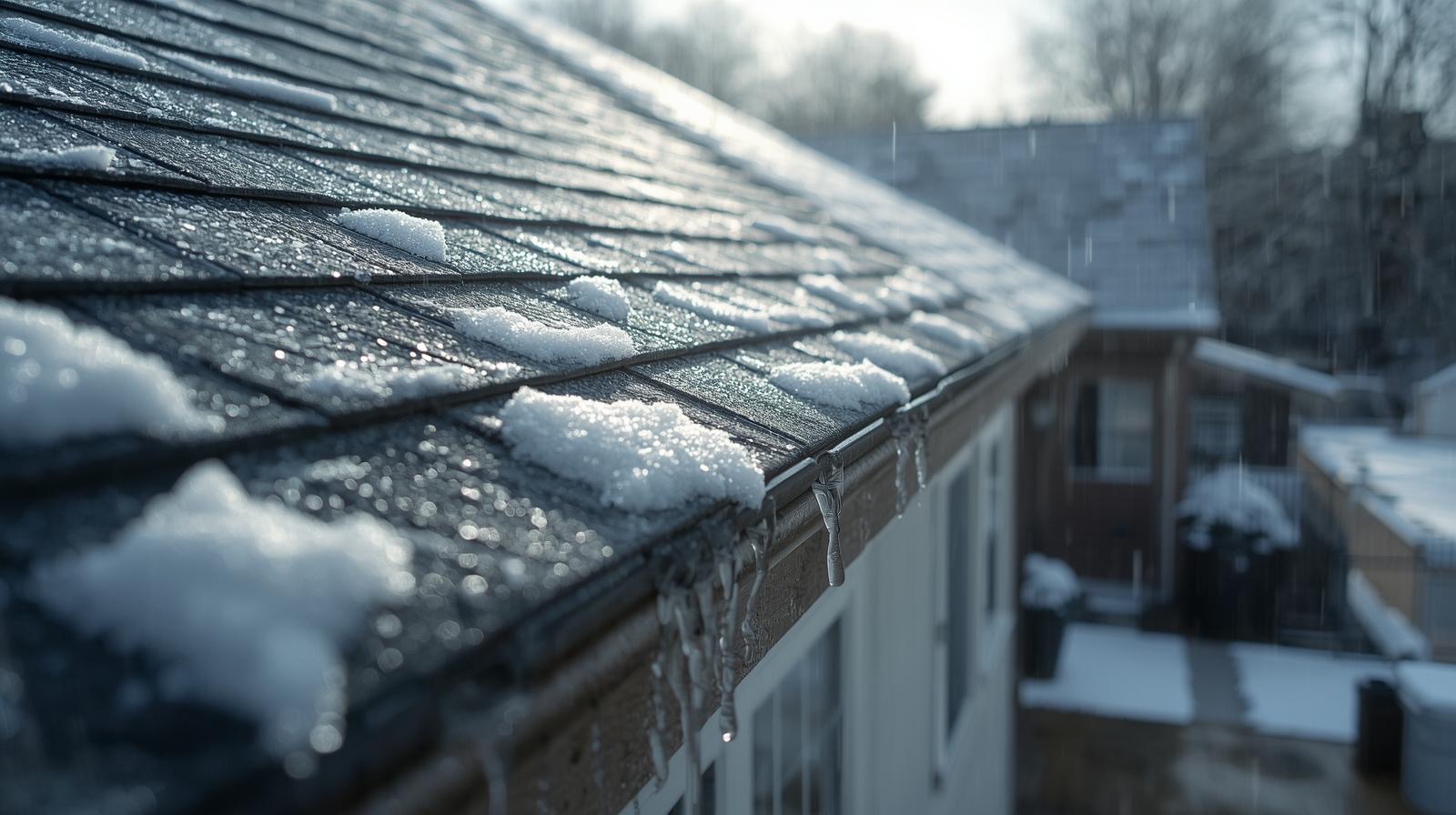
If you live in Northeast Ohio, you know how unpredictable our winters can be. One day it’s snowing, the next day the sun is out and everything starts to melt. Then, before you know it, another round of freezing temperatures sweeps in. This roller coaster of freezing and thawing is tough on many parts of your home, especially your roof. Many homeowners don’t realize just how much these freeze-thaw cycles can wear down their asphalt shingles over time. Small problems today can turn into major headaches next season.
Understanding how freeze-thaw cycles damage your roof is key to protecting your investment and preventing surprise repairs. In this guide, we’ll explain what happens to shingles during our local winters, offer practical ways to reduce the risk of damage, and give you actionable steps to keep your home safe and dry.
A freeze-thaw cycle happens when the temperature rises above freezing after a snow or ice event, causing snow and ice to melt, and then drops back below freezing, which causes the melted water to freeze again. This might sound harmless, but for your roof, it’s a constant source of stress. Repeated expansion and contraction are rough on building materials—especially asphalt shingles.
Over time, this process can open up tiny cracks and create problems that aren’t easy to spot from the ground. Here’s why homeowners in areas like Akron, Mentor, and Cleveland need to pay extra attention: Our climate brings plenty of freeze-thaw swings every winter, making Northeast Ohio roofing more vulnerable than homes in milder regions.
Getting ahead of potential freeze-thaw damage starts with a solid roof inspection. Before the first major cold snap, take some time to look over your shingles. If you’re not comfortable climbing a ladder, use binoculars and circle your house from the ground.
Look for missing, curled, or cracked shingles. Pay attention to areas where two roof lines meet and places near chimneys or vents—these spots see extra stress during freeze-thaw cycles.
Why is this important? Water will find its way into even the smallest gap. Once it sneaks in and temperatures drop, that water can freeze, expand, and make a small crack or gap much larger. Over time, this cycle loosens granules (those little sand-like bits that protect shingles) and breaks down the shingle’s protective surface.
If you find anything that doesn’t look right, schedule a professional roof inspection with a trusted Northeast Ohio roofing company like M&T Roofing and Restoration. Even if nothing seems wrong, it’s a smart idea to get an expert eye on your roof every fall—it’s cheaper to catch issues early than to pay for storm damage repair or a full roof replacement later.
Gutters and downspouts play a major role in preventing freeze-thaw damage, but they’re easy to forget. When they get clogged with leaves or debris in the fall, water can back up onto your roof. Standing water then finds its way under shingles or into small gaps.
During a freeze-thaw cycle, this trapped water freezes and expands, prying up shingles and flashing. This can lead to water leaks inside your attic or along your walls during the next warm-up.
Make gutter cleaning part of your fall home maintenance routine. Use a sturdy ladder and gloves to scoop out debris, or hire a professional for a thorough job. After cleaning, run a hose through the system to make sure all water drains away from your foundation. Don’t forget the downspouts—clogs here can push ice and water back onto your roofing, increasing the risk of hidden damage.
If you live in an area with a lot of trees or strong winds, you may need to clean your gutters more than once a season. The cleaner your gutters, the drier your roof will stay during Northeast Ohio winters.
Ice dams are one of the most damaging results of freeze-thaw cycles for Ohio roofs. Here’s how they happen: Warm air from your house rises into your attic, melting snow on the roof. That water runs toward your eaves, where it refreezes. This growing block of ice then forces melted water to back up under your shingles.
The pressure from water and expanding ice pushes shingles apart and can even tear up felt underlayment. Over time, this can soak your insulation, damage wooden roof decking, and stain your ceilings.
To prevent ice dams, make sure your attic is properly insulated and ventilated. Good insulation keeps warm air from leaking up and melting the snow from underneath. Good ventilation lets cold air flow in and out, keeping your roof’s surface more even in temperature.
You can also use a roof rake after snowfalls to clear the first few feet of snow from your roof, especially along the eaves. Just be gentle to avoid damaging the shingles. If you’ve had ice dam problems before, talk to a professional about installing ice and water shield membranes along the roof edges or upgrading your ventilation.
Every Northeast Ohio roof has weak points—places where metal flashing or caulk provides the only real barrier against water. These include valleys (where two sections of roof meet), chimneys, skylights, and vent pipes.
During freeze-thaw cycles, these areas see a lot of expansion and contraction. Old or cracked sealants can break apart. Loose flashing can rise up, creating an easy path for water to invade.
Check these areas closely every fall. Look for cracked caulking, missing sealant, or flashing that looks bent, rusted, or separated from the roof surface. It’s tempting to try a quick DIY patch, but most of these repairs are best left to an experienced roofing contractor. Improper repair can actually make leaks worse.
A small investment in timely, professional roof repair can save thousands in water damage and prevent an early roof replacement due to rot or mold.
Even the best roofs need regular TLC, especially in our part of Ohio. If you spot any shingles that are cracked, buckled, losing granules, or missing altogether, don’t wait until spring to take action.
Damaged shingles provide weak spots where moisture can slip in, freeze, and spread to nearby shingles. One missing shingle often leads to a series of failures during repeated freeze-thaw cycles. In time, you could see a leak forming where there used to be only a small crack.
Schedule a roof inspection with a reputable local company. Ask them to check for “soft spots” in your roof deck, signs of loose nails, and excess granule loss in gutters—these all point to growing problems. Preventive maintenance isn’t just about looks; it's the key to stopping bigger issues before they start.
If your roof is older or has widespread damage, it may be time to discuss a roof replacement. Modern shingles are designed to handle tough weather better than older ones, and investing in a new roof also makes your home more energy efficient.
Many homeowners forget that regular maintenance is crucial for keeping their roof warranty valid. If you don’t keep up with inspections or needed repairs, you might not be covered if you have storm damage down the road. The same is true for insurance claims. Neglecting basic upkeep gives companies a reason to deny your claim for roof damage after a big winter storm.
Save any inspection or repair records, and ask for written reports from your roofing company. If you ever need storm damage repair or need to file a claim, you’ll be glad to have proof of regular care.
It’s easier to keep track of seasonal roof care when you have a list. Here’s a quick summary of key steps to take:
Look for signs like water stains in the attic, curling shingles, missing granules, or leaks after heavy snow or ice events. If you’re not sure, call for a professional roof inspection.
Autumn, before the first freeze, is best. You might also want a spring check to find any hidden damage after winter.
You can gently use a roof rake for snow removal, but working on icy roofs is dangerous. For large ice dams or persistent issues, always call a professional.
Your roof is your home’s first line of defense against the tough Northeast Ohio winters. Don’t let freeze-thaw cycles shorten its lifespan or surprise you with leaks this spring. If you haven’t had your roof checked recently or you see signs of damage, now is the time to act.
Contact M&T Roofing and Restoration for a free roof inspection and honest advice. We’re your trusted local experts, ready to help with everything from preventive maintenance to storm damage repair and complete roof replacement. Call us today or schedule your appointment online—protect your investment and enjoy peace of mind all winter long!