Seasonal Tips
March 23, 2026

Common Spring Roofing Problems Every Northeast Ohio Homeowner Should Know About

Learn about common spring roofing problems in Northeast Ohio and discover tips to prevent costly repairs. Protect your home with our expert advice and easy inspection checklist.

A sunny street lined with modern houses and green lawns.

Introduction: Why Spring Roofing Problems Matter in Northeast Ohio

Spring in Northeast Ohio is a time of renewal, but for many homeowners, it can also reveal unwelcome surprises on their roofs. As the snow melts and heavy rains roll in, roofing issues that went unnoticed during the winter months start to show up. If you’re like most homeowners in the Akron, Canton, or Cleveland areas, your roof is your first line of defense against the elements. Here in Northeast Ohio—where winters are harsh and storms can be unpredictable—taking good care of your roof is essential.

At M&T Roofing and Restoration, we see many common roofing problems every spring. Some issues are minor and easy to fix. Others can lead to bigger headaches if ignored. We believe that an informed homeowner is a protected homeowner, and that’s why we’ve put together this handy guide. By understanding what to look for and taking action early, you can avoid expensive damage, make smart maintenance choices, and get the most from your investment.

Below, you’ll find the most frequent spring roofing issues we encounter, along with tips on what you can do about them. Whether you have asphalt shingles, a flat roof, or another roofing system, this guide will help you spot trouble before it starts.

1. Missing, Damaged, or Curled Shingles

Winter in Northeast Ohio is tough on shingles. Between heavy snow loads, freeze-thaw cycles, and strong winds, it’s common to see shingles take a beating by spring.

What to Look For:

  • When spring arrives, take a walk around your house and look for shingles that are missing, cracked, or curling.
  • Sometimes, you’ll find shingle pieces or granules in your gutters or on the ground after a big storm.

Why It Matters:

  • Missing or damaged shingles can allow water to seep into the layers below.
  • Over time, this can cause wood rot, staining on interior ceilings, and mold problems.
  • It also shortens the lifespan of your roof.

What You Can Do:

  • If you notice any damaged or missing shingles, don’t wait.
  • Contact a local Northeast Ohio roofing expert like M&T Roofing and Restoration for a spring roof inspection.
  • Minor repairs now can save you thousands in storm damage repair or roof replacement later.

2. Clogged or Damaged Gutters and Downspouts

It’s easy to overlook your gutters. But after a long fall and winter, they’re usually packed with leaves, pine needles, and debris.

What to Look For:

  • Gutters should carry water away from your home’s foundation.
  • If they’re clogged, you’ll see overflowing water during spring rains.
  • Sagging gutters or broken downspouts are also common signs of trouble.
  • You may find gutters pulling away from the roof edge or notice water stains on siding and walkways below.

Why It Matters:

  • Clogged or damaged gutters cause water to back up, which can lead to roof leaks and fascia board rot.
  • In the worst cases, standing water may seep into basements or under your home’s foundation—especially with our region’s heavy spring rains.

What You Can Do:

  • Clean your gutters thoroughly each spring, and check that all fasteners are secure.
  • Run water through the downspouts to ensure they’re clear and draining far from your foundation.
  • Have any necessary gutter repairs made as soon as possible.
  • Regular gutter care is vital for the health of your entire roofing system.

3. Flashing Failures at Roof Valleys, Chimneys, and Skylights

Flashing is the metal or waterproof material installed around roof penetrations and along joint lines. Here in Northeast Ohio, we see a lot of flashing issues after a harsh winter.

What to Look For:

  • Check for loose, bent, or rusty flashing around chimneys, skylights, and where roof sections meet (roof valleys).
  • You might notice cracked sealant, lifted edges, or exposed nail heads.
  • In severe cases, water may already be leaking inside.

Why It Matters:

  • Flashing acts as your roof’s safety net, directing water away from the most vulnerable areas.
  • If the flashing is damaged, water can slip inside, causing quick and serious leaks.
  • This can ruin insulation, stain ceilings, and lead to costly structural repairs.

What You Can Do:

  • Inspect these areas as part of your spring roof inspection.
  • If you spot issues, have a local roofing professional repair or replace your flashing.
  • Many flashing problems require special skills and tools, so calling a Northeast Ohio roofing expert is your best bet for quick, proper repairs.

4. Ice Dams and Water Stains in the Attic

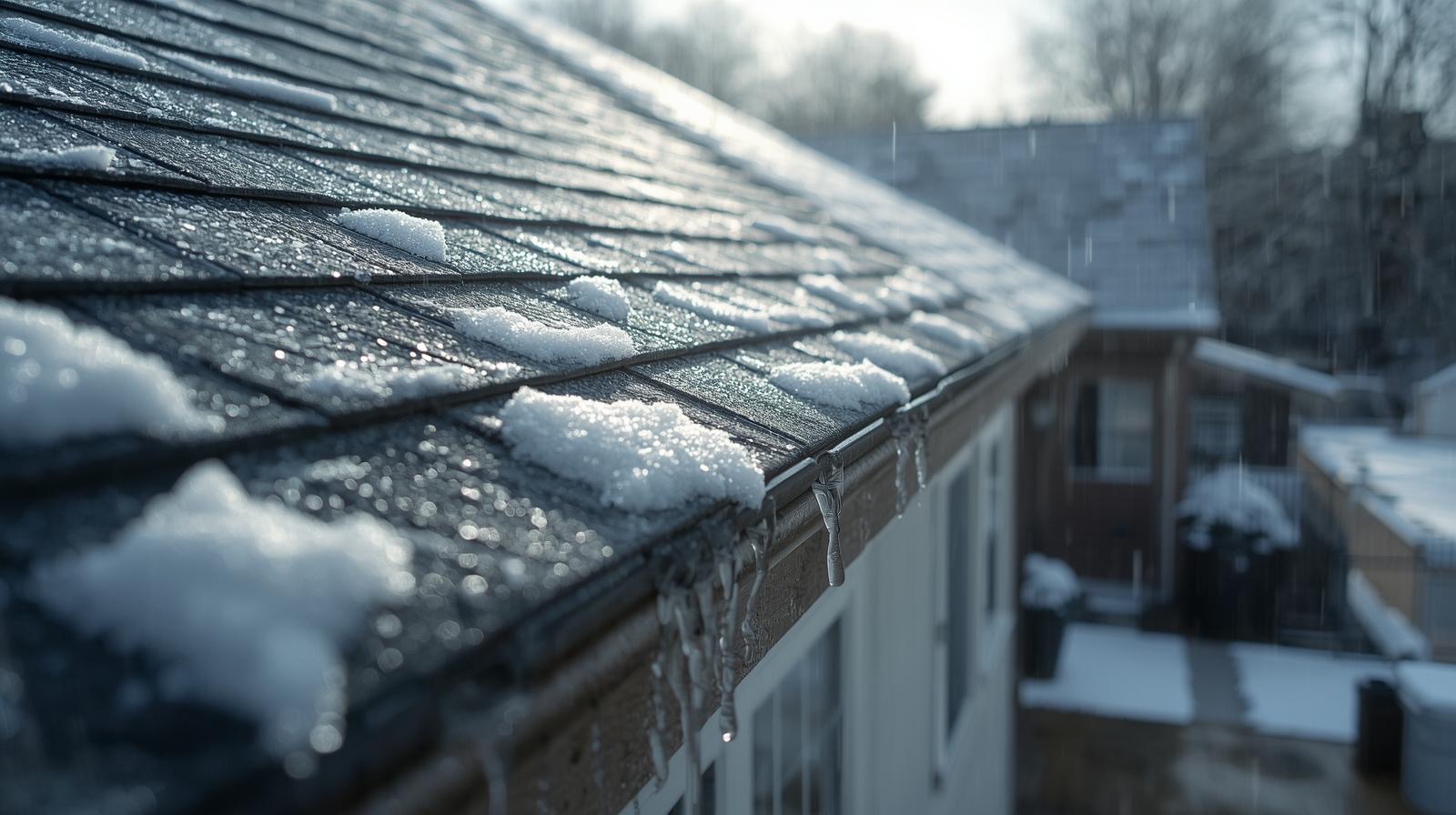
Even though the snow has melted, spring is when we see the full effects of winter’s ice dams. Ice dams form when melting snow refreezes at the edge of your roof, causing water to back up under shingles.

What to Look For:

  • In the spring, check your attic for water stains, damp insulation, or even mold growth.
  • Look closely at the areas near the eaves (the roof edges)—these are the spots where ice dams typically form.
  • On the exterior, you may notice warped shingle edges or stained siding.

Why It Matters:

  • Ice dams can undermine your roof’s integrity, leading to soaked rafters, ruined drywall, and serious insulation problems.
  • Even if you didn’t notice a roof leak this winter, damage can show up months later.

What You Can Do:

  • Address attic and roof ventilation issues before next winter.
  • Make sure your attic is well-insulated and that vents are clear of obstructions.
  • Remove any signs of water damage and have a professional repair any affected roofing materials.
  • Regular inspections from a team like M&T Roofing and Restoration can help you catch problems before they turn into major repairs.

5. Mold, Algae, and Moss Growth

Our wet, humid springs create the perfect environment for moss, algae, and mold growth on roofs—especially those in shady or tree-covered areas.

What to Look For:

  • Look for green, black, or dark streaks on your shingles, or clumps of moss along the roof’s north-facing slopes.
  • These growths are most common where the roof stays damp for long periods.

Why It Matters:

  • While a small amount of algae is mostly an eyesore, moss and mold can trap moisture, lifting shingles and causing them to deteriorate faster.
  • Over time, this can lead to leaks and a need for premature roof replacement.

What You Can Do:

  • Trim nearby trees to allow sunlight on your roof and keep gutters clean to prevent moisture buildup.
  • You can carefully remove some moss with a stiff brush, but never use a pressure washer—it can damage your shingles.
  • For larger infestations, call a professional for safe, effective treatment and advice on prevention.

Checklist: Spring Roof Health at a Glance

A quick spring roof inspection can save you from costly repairs down the line. Here’s a handy checklist for Northeast Ohio homeowners:

  • Check for missing, broken, or curled shingles from the ground and with binoculars.
  • Inspect gutters and downspouts for clogs, sagging, or damage.
  • Look at all flashing, especially around roof penetrations and valleys.
  • Check your attic for damp insulation and water stains.
  • Scan for moss, algae, or dark streaks on your shingles.
  • Schedule a professional roof inspection for thorough peace of mind.

Bonus Tips: Keeping Your Roof in Top Shape

Don’t Forget Regular Maintenance

The best way to keep your roof lasting for decades is simple—don’t skip regular maintenance. Scheduling professional roof inspections each spring and fall means minor problems don’t turn into big surprises.

Document and Act on Storm Damage

After a spring thunderstorm or windstorm, make a habit of walking your property to look for new damage. Take photos of anything that looks suspicious. Quick documentation helps with insurance claims and makes storm damage repair smoother and faster.

Consider Preventive Upgrades

If your roof is older or has needed frequent repairs, ask your Northeast Ohio roofing expert about upgrades. Modern flashing, better attic insulation, and new shingle technology may help you avoid common spring problems in the future.

Frequently Asked Questions About Spring Roofing Problems

Q: How often should I check my roof in Northeast Ohio?

A: At a minimum, inspect your roof every spring and fall. After a big storm, always look for signs of damage like missing shingles or leaking.

Q: Can I fix shingle or gutter problems myself?

A: Minor repairs are possible if you’re comfortable and safe on a ladder, but most roofing issues are best left to professionals. Incorrect repairs can void warranties or cause more damage.

Q: Will my homeowner’s insurance cover spring roofing repairs?

A: Storm-related damage, like from wind or hail, is often covered. Routine maintenance issues may not be. Always consult your insurance provider and document any damage promptly.

Q: How do I know if it’s time for a full roof replacement?

A: If you have ongoing leaks, many missing shingles, or if your roof is over 20 years old, it’s time to consider roof replacement. A professional inspection can give you a clear answer.

Call-to-Action: Get Your Free Spring Roof Inspection

Don’t let Northeast Ohio’s spring weather catch you off guard. Whether you need a simple repair, storm damage repair, or a full roof replacement, M&T Roofing and Restoration has you covered. We’re your trusted local roofing experts, serving homeowners throughout Akron, Canton, Cleveland, and the surrounding communities.

Schedule your free spring roof inspection today. Our team will check every important detail, give you honest advice, and provide a no-obligation estimate if repairs or upgrades are needed. Protect your home—and your peace of mind—this spring with help from M&T Roofing and Restoration. Call us now or fill out our online form to get started!

More blog