
Seasonal Tips
January 20, 2026

Is Your Roof Struggling This Winter in Northeast Ohio? Here Are the Signs

Learn how to spot signs of winter roof damage before it becomes costly. Protect your home with these helpful tips for maintaining your roof during Northeast Ohio winters.

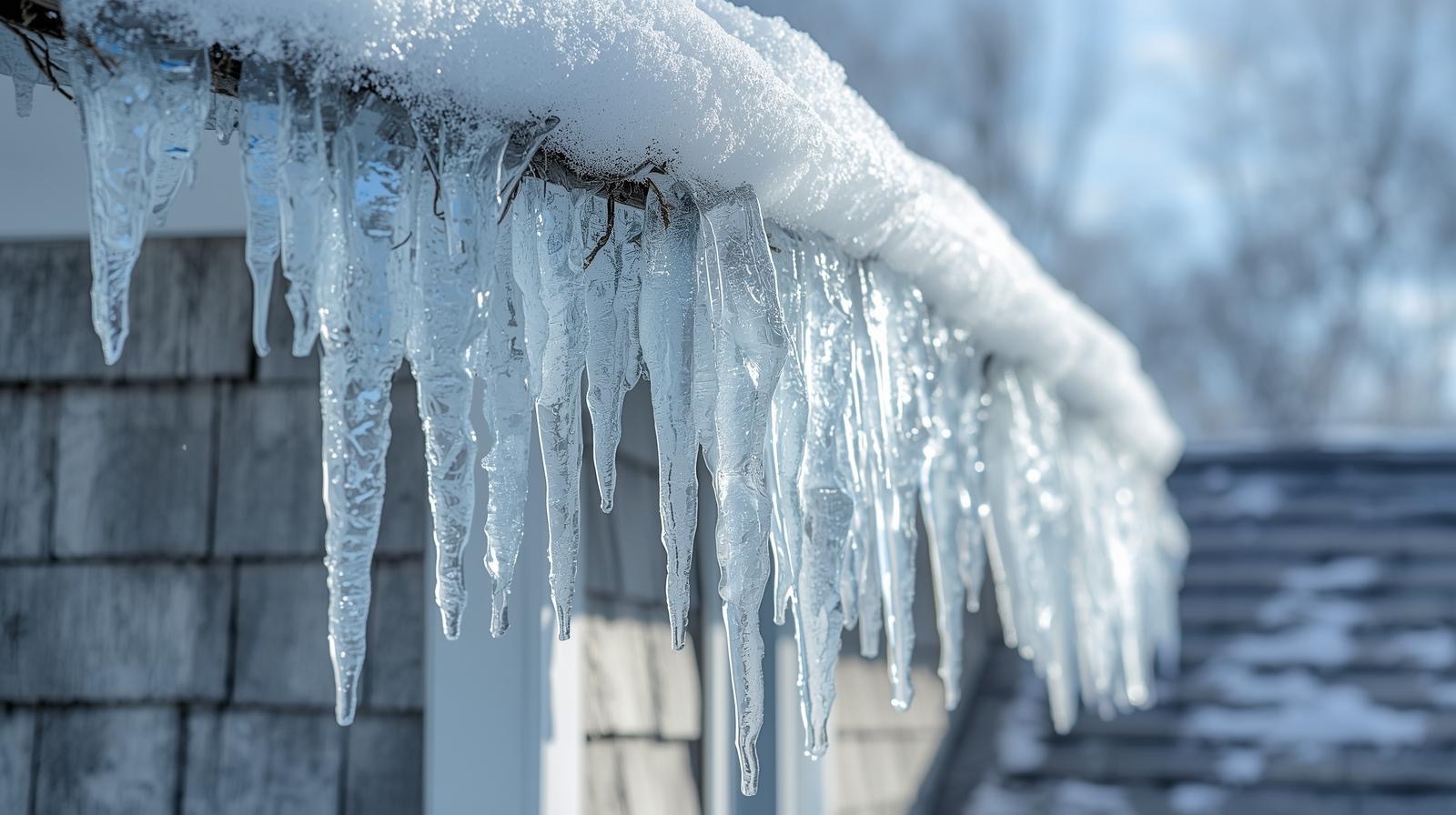
Snow-covered roof with icicles hanging from the edge.

Introduction: Winter Challenges for Your Roof in Northeast Ohio

Living in Northeast Ohio means we face some tough winters—bitter winds, heavy Lake Erie snow, freezing rain, and wild temperature swings. As a homeowner, you depend on your roof to keep the elements out and your family safe and comfortable. But even the sturdiest roofs can struggle under winter’s weight and weather.

If your roof has hidden damage or weak spots, the harsh conditions of our winters will find them. Small issues can quickly turn into costly repairs or water damage if ignored. That’s why it’s so important to recognize the early warning signs that your roof is having trouble before winter storms really hit.

At M&T Roofing and Restoration, we help Northeast Ohio homeowners with roof inspections, storm damage repair, and roof replacement throughout the year. This guide will walk you through what to watch for during the winter months and what steps you can take to protect your home.

Icicles and Ice Dams: More Than Just Cold-Weather Decorations

Icicles might look pretty hanging from your gutters, but they can spell trouble for your roof.

When snow melts on a warm part of your roof (often caused by escaping heat from your attic), the water runs down and refreezes at the colder eaves or gutters. This creates a thick band of ice called an "ice dam." Water then backs up behind this dam and can easily work under your shingles, soaking your roof deck and insulation. Left unchecked, ice dams can lead to leaks inside your home, peeling paint, and warped ceilings.

If you notice large icicles or thick ice built up along your roof edge, it’s a strong sign your roof isn’t ventilating or draining properly. This is especially important in older homes or houses with low attic insulation.

How to address it:

  • Check for ice dams after every big snow or cold snap.
  • Use a roof rake to carefully remove heavy snow from the lower three feet of your roof (but never climb up or use sharp tools).
  • Make sure your gutters are clear before the first heavy snow.
  • Schedule a professional inspection to check your attic’s insulation and ventilation.
  • If you see water stains inside your home near the ceiling, call for storm damage repair right away.

Missing, Curled, or Cracked Shingles: Weak Spots Waiting for Trouble

Your shingles are your roof’s first defense against Northeast Ohio’s winter storms. Wind, snow, and ice place extra stress on any weak spots in your shingles. Once shingles start to warp, crack, or go missing, water can find its way inside, causing leaks and serious structural damage.

What to look for:

  • Shingles that look raised or curled at the edges.
  • Pieces of shingle lying on the ground after a windstorm.
  • Color changes or balding patches where granules are missing.
  • Visible cracks or tears in the shingle surface.

If you see any of these signs, don’t wait until spring. Even one missing shingle can let in enough water to cause expensive repair issues over the winter months.

How to address it:

  • Walk around your home after storms and do a simple visual roof inspection from the ground.
  • Use binoculars to check for shingle problems if you feel safe doing so.
  • If you spot any of these warning signs, contact a local Northeast Ohio roofing professional for a closer look and fast repair before the next big snowfall.

Leaks, Water Stains, or Mold Growth: Signs Water is Getting Inside

Nothing signals roof trouble faster than leaks and water spots. During winter, water can find its way inside through the smallest cracks or holes, especially as snow melts, refreezes, and expands.

Be on the lookout for:

  • Brown, yellow, or gray water stains on your ceiling, especially near outside walls.
  • Peeling paint or wallpaper.
  • Damp or musty smells in the attic or upper rooms.
  • Visible mold or mildew on walls or in the attic.

If you notice any of these, chances are high your roof needs immediate attention.

Why you shouldn’t ignore it:

  • Waiting can turn a small drip into a serious water problem requiring major roof replacement.
  • Water weakens insulation and framing, costing far more to fix.
  • Mold and mildew can make your family sick—especially for kids, elderly family members, or anyone with allergies.

How to address it:

  • Act quickly. The longer you wait, the worse it gets.
  • Call for a roof inspection and let a professional check both outside and inside your home.
  • Keep gutters and downspouts clear so melting snow drains away.

Sagging, Bowing, or Uneven Roof Lines: Watch for Structural Stress

Heavy snow and ice add serious weight to your roof. If your roof has underlying structural weaknesses—like old or rotted rafters, previous storm damage, or poor construction—this weight can make parts of your roof start to sag or bow out of shape.

Warning signs to watch:

  • Your roofline looks uneven or droops in one area.
  • You see “dips” or waves when you look up at your roof.
  • Cracks appear in the top corners of upstairs rooms.
  • Doors on the upper floor suddenly start sticking or won’t close properly.

These are red flags that your roof is under stress and could give way. A sagging roof is a safety hazard—especially if heavy snow is expected—so don’t ignore it.

How to address it:

  • Arrange a professional roof inspection as soon as possible.
  • Do not try to remove heavy snow yourself if you notice sagging—wait for professional help.
  • If you suspect structural issues, avoid putting extra weight on upper floors.
  • Be prepared for potential roof replacement if your roof can’t be safely repaired.

Gutters Overflowing or Pulling Away: Signs of Drainage Problems

Gutters are your roof’s drainage system. When they’re blocked, damaged, or frozen, water backs up and spills over the edges. This can lead to ice dams, rotting roof edges, water in your basement or foundation, and even damage to your home’s exterior.

Common signs of trouble:

  • Gutters overflowing with water or ice after every snow or rain.
  • Gutters that are pulling away from the house or look saggy.
  • Water pooling around the base of your house.
  • Icicles forming right out of the gutters or downspouts.

Regular cleaning helps, but sometimes gutters need repairs or upgrades to handle Northeast Ohio’s tough winters.

How to address it:

  • Clean gutters of leaves and debris before the first hard freeze.
  • Check that downspouts direct water away from your foundation.
  • Call a roofing and restoration expert if you see gutters pulling loose or separated from the roofline.
  • Consider installing gutter guards to prevent clogs year-round.

Quick Winter Roofing Health Checklist

Here’s a short list you can use to make sure your roof stays strong all season long:

  • Look for new icicles, ice dams, or thick ice along roof edges.
  • Walk around your home after big storms and scan for missing, cracked, or curled shingles.
  • Check your attic and upper rooms for water stains, leaks, or mold growth.
  • Stand back and look for dips, bows, or sagging in your roofline.
  • Make sure gutters aren’t clogged, overflowing, or pulling away from your house.

If you catch any of these issues early, you’ll save yourself time, money, and stress come spring.

Bonus Tips to Prevent Winter Roof Struggles

Trim Back Tree Limbs

Heavy, snow-laden branches can break and fall onto your roof, causing shingle damage or even puncturing your roof deck. Trim back any branches that hang over your roof before bad weather hits.

Add Attic Insulation

Making sure you have enough attic insulation keeps heat inside your home where it belongs. This helps prevent snow from melting too quickly on your roof and forming ice dams.

Install Proper Ventilation

Attic vents let cold air in and warm, moist air out. Good ventilation keeps your roof cold (so snow doesn’t melt prematurely) and protects against moisture buildup and mold.

Schedule Regular Roof Inspections

Twice-yearly inspections—once in the fall and once in the spring—can catch small problems before they become big headaches. A trusted local Northeast Ohio roofing professional knows what to look for and will give you peace of mind.

FAQ: Common Winter Roofing Questions in Northeast Ohio

Q: Can I fix winter roofing problems myself?

Most winter roof problems require professional tools and safety equipment. Trying to repair shingles or clear ice dams in cold, slippery conditions can be very dangerous. Always call a licensed Northeast Ohio roofing company for help.

Q: Does homeowner’s insurance cover storm damage repair in winter?

It depends on your policy and the kind of damage. Most policies cover storm damage repair from snow, ice, and wind, but it’s best to review your coverage and contact your agent for details.

Q: How do I know if I need a repair or a total roof replacement?

An experienced roofing professional can inspect your roof and explain your options. Sometimes, small repairs fix the issue. Other times, especially if your roof is older or has widespread damage, roof replacement is the safer, longer-lasting choice.

Call-to-Action: Protect Your Home This Winter—Contact M&T Roofing and Restoration

Don’t wait for water leaks or storm damage to ruin your winter. If you notice any signs that your roof is struggling this season, call M&T Roofing and Restoration for a free roof inspection or estimate. We’re your local, trustworthy experts in Northeast Ohio roofing, storm damage repair, and roof replacement. Let us help you keep your home warm, safe, and dry all winter long. Reach out today and schedule your winter roof checkup—your peace of mind is just a phone call away!

More blog