
Seasonal Tips
February 4, 2026

Protect Your Home from Ice Dams This Winter with These Simple Tips

Learn simple tips to prevent ice dams this winter and protect your Northeast Ohio home from costly water damage and repairs. Keep your roof safe and secure with our helpful guide.

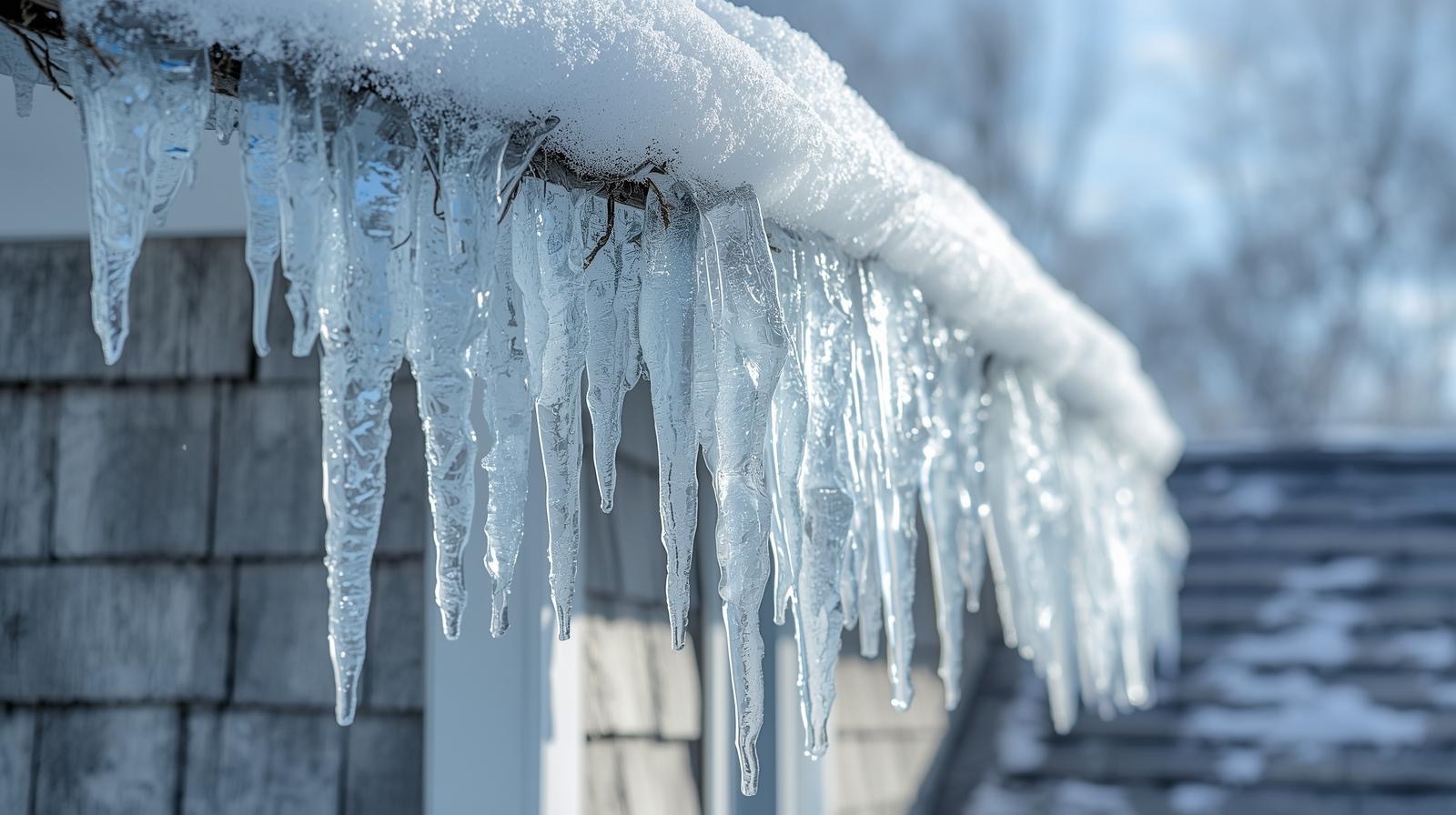
Icicles hang from the edge of a roof, glistening in the sunlight with a snowy background.

Introduction: Why Ice Dams Matter for Northeast Ohio Homeowners

Winter in Northeast Ohio can be beautiful, but for homeowners, it often brings a unique set of challenges. One of the most frustrating—and sometimes costly—winter problems is ice dams. These icy build-ups along your roof’s edge may start small, but they can lead to serious damage if not managed properly. In our region, where we see heavy snowfall and fluctuating winter temperatures, ice dams are a common worry.

If you’re a homeowner in places like Akron, Canton, or anywhere across Northeast Ohio, understanding how ice dams form, the risks they bring, and how to prevent them is key to keeping your home safe and dry all winter long. At M&T Roofing and Restoration, we see the effects of ice dams every season. We know that a bit of prevention can save you from major roof repairs, costly water damage, and a whole lot of stress.

In this guide, we’ll explain what ice dams are, why they’re dangerous, and share proven tips to help you protect your roof before and during the cold months.

What Are Ice Dams and Why Should You Care?

Before we dive into prevention, let’s cover what ice dams are and why they matter so much for your home.

An ice dam forms when heat escaping from your attic melts the snow on your roof. The melted water runs down the slope, but when it reaches the colder edge of your roof (the eaves or gutters), it freezes again. Over time, a thick ridge of ice can grow along the edge of your roof. Water from freshly melted snow gets trapped behind this “dam” and can sneak under your shingles—eventually leaking into your attic, walls, or ceilings.

Ice dams can cause:

  • Leaks and water damage inside your home
  • Damaged insulation, leading to higher energy bills
  • Warped or rotten wood in your roof and attic
  • Mold and mildew growth
  • Damaged gutters and downspouts

Trying to break or chip away the ice yourself can actually make things worse, damaging your shingles and causing further leaks. Prevention is always the best solution, especially in climates like ours where a deep freeze can strike at any time.

So, how can Northeast Ohio homeowners outsmart ice dams? Here’s how to protect your home and avoid unnecessary roof repairs.

Keep Your Attic Well-Insulated

The first step in preventing ice dams is to stop heat from escaping your living space into your attic. A well-insulated attic keeps the roof surface colder, which means snow is less likely to melt and create runoff.

Why Insulation Matters:

When warm air leaks from your home into the attic, it warms the roof and melts the bottom layer of snow. As the melted water flows down to the unheated edges, it freezes again—building that familiar dam.

What You Can Do:

  • Check your attic’s insulation each fall. Look for gaps, thin spots, or spots where insulation has shifted.
  • Add extra insulation if your current depth is less than the recommended amount (usually 10–14 inches for fiberglass batts in our region).
  • Seal gaps around light fixtures, attic hatches, and other areas where warm air might escape. Use caulk or expanding foam for small gaps, and weatherstripping or insulation board for larger gaps around hatches.

M&T Roofing Tip:

If you’re unsure about your insulation levels, schedule a roof inspection with a local expert. At M&T Roofing and Restoration, we can tell you if your attic needs a boost before the next big freeze.

Make Sure Your Attic Has Proper Ventilation

Good attic ventilation works hand-in-hand with insulation to keep your roof surface cold. Ventilation lets cold outside air flow through the attic, pushing out any warm air that sneaks in from your home below.

Why Ventilation is Critical:

Without enough ventilation, even a well-insulated attic can build up heat. This causes uneven roof temperatures—perfect for starting ice dams.

What You Can Do:

  • Check for clear soffit vents (at the eaves) and ridge vents (at the peak of your roof). Attic fans can also help if natural ventilation isn’t enough.
  • Make sure insulation isn’t blocking vent openings. Baffles or vent chutes can keep insulation from covering soffit vents.
  • In older homes, have a roofing professional check your attic airflow. Small changes, like adding a few more vent openings, can make a big difference.

M&T Roofing Tip:

Combining better attic ventilation with improved insulation almost always brings down the risk of ice dam formation in Northeast Ohio homes.

Clean Gutters and Downspouts Before Winter

One of the simplest, most effective ways to stop ice dams is by keeping your gutters and downspouts clear. Clogged gutters can trap water, which then freezes and makes it easier for ice dams to form.

Why Gutter Maintenance Matters:

When leaves, sticks, and debris fill your gutters, melted snow can’t drain from your roof properly. The water backs up, freezes, and creates a foundation for ice dams.

What You Can Do:

  • Clean your gutters and downspouts every fall, or hire a professional if you’re not comfortable on a ladder.
  • Use a hose to make sure water flows smoothly through the entire gutter system.
  • Check for sagging gutters, loose brackets, or sections where water pools—these are signs you need repairs before winter.

Bonus Tip:

Consider adding gutter guards to reduce debris clogs and make cleaning easier.

Remove Snow Responsibly After Heavy Storms

Good attic insulation and ventilation help, but in big Northeast Ohio snowstorms, even the best-prepared roofs can get overwhelmed. When deep snow sits on your roof for days, there’s more weight—and more chance for melting and refreezing cycles.

Why Snow Removal Helps:

Clearing excess snow reduces the amount that can melt and refreeze. Less snow on your roof means less risk of water backing up under your shingles.

What You Can Do:

  • Use a long-handled roof rake to gently pull fresh snow off the lower edge of your roof after big storms.
  • Always work from the ground—never climb on an icy roof.
  • Focus on clearing the first 3-4 feet along the eaves, where dams usually form.
  • Avoid using sharp tools or breaking up ice dams yourself; this can damage shingles and make leaks worse.
  • If ice dams have already formed, or if you can’t safely remove snow, call a professional. M&T Roofing and Restoration offers safe, effective snow and ice removal for Northeast Ohio roofs.

A Word of Caution:

Heavy snow can be dangerous. If you ever feel unsafe, don’t risk it—call a local roofing expert.

Schedule Regular Roof Inspections

Annual roof inspections can catch small problems before they turn into big headaches. This is especially important if your roof is older or if you’ve had ice dams or leaks in past winters.

Why Inspections Make Sense:

Roof inspections help spot:

  • Shingle damage or missing shingles
  • Loose or damaged flashing around chimneys and vents
  • Weak spots or sagging areas where ice dams are more likely
  • Signs of early leaks or water damage

Early repairs can save you from expensive storm damage repair or even a full roof replacement down the road.

What You Can Do:

  • Have your roof professionally inspected in the fall before snow flies.
  • Follow up on any needed repairs right away.
  • Make sure your roofer checks attic insulation and ventilation, not just the exterior shingles.

M&T Roofing Tip:

A certified local roofing contractor like M&T Roofing and Restoration knows how to spot Northeast Ohio’s unique roof risks. We’re happy to check your home and offer prevention tips tailored to your property.

Quick Checklist: Ice Dam Prevention for Northeast Ohio Homeowners

Here’s a handy summary to keep your home protected:

  • Check attic insulation — Add or improve as needed to stop heat loss.
  • Ensure proper attic ventilation — Clear and add vents as needed for airflow.
  • Clean gutters and downspouts — Remove leaves and debris before the first snowfall.
  • Safely remove excess snow — Use a roof rake after heavy storms, or call the pros.
  • Schedule a roof inspection — Fix leaks, missing shingles, or weak spots before winter.

A little prevention now can spare you from water damage, expensive repairs, and ice-cold headaches later on.

Frequently Asked Questions About Ice Dams

How do I know if I have an ice dam problem?

Look for icicles that form along the edges of your roof or water stains on your ceilings and walls. If water is dripping inside during a winter thaw, you likely have an ice dam issue.

Can ice dams form even if my roof is new?

Yes—they can form on almost any roof if insulation, ventilation, or gutter maintenance is lacking.

Should I use salt or chemical melt on my roof?

No. Salt and chemicals can damage your shingles, harm gutters, and kill landscaping below. It’s better to focus on prevention and call professionals if ice builds up.

Call-to-Action: Protect Your Home with M&T Roofing and Restoration

Don’t wait until water’s pouring in or damage has already occurred. Northeast Ohio winters are tough, but with a little planning, you can keep your roof safe from ice dams.

If you need help preparing your roof for winter, want a professional roof inspection, or need storm damage repair, call your trusted neighbors at M&T Roofing and Restoration. We’ve been protecting homes like yours throughout Northeast Ohio for years. Reach out today for a free inspection or estimate—and get peace of mind all winter long.

More blog